
Grief, Healing & Caring for Yourself After Adoption
After placement, many birth mothers find that emotions come in waves. Some moments feel manageable, while others can feel overwhelming or heavy. Grief after adoption is real, valid, and deeply personal. This page is here to help you understand what you may be experiencing and to offer gentle ways to care for yourself during this time.

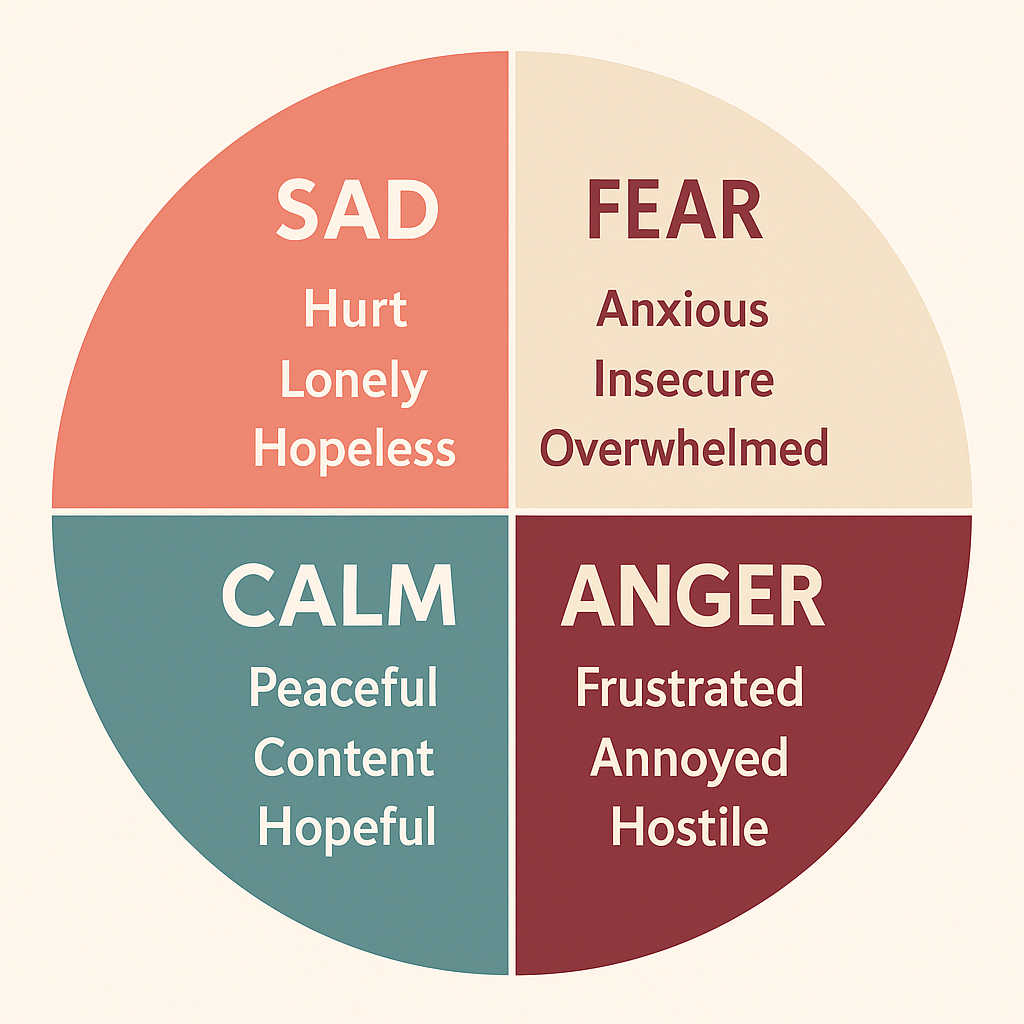
Understanding Grief in Adoption
Grief after adoption does not mean you made the wrong decision. It means you loved deeply. Adoption grief can look different from other forms of loss, and it does not follow a straight path.
Grief may show up as:
- waves of sadness or longing
- moments of anger or frustration
- physical exhaustion or tension
- guilt or second-guessing
- emotional numbness
- difficulty concentrating or returning to everyday routines
These responses are normal. Over time, grief often becomes less overwhelming — not because it disappears, but because life slowly grows around it. Healing does not mean forgetting. It means learning how to carry love and loss together with compassion for yourself.

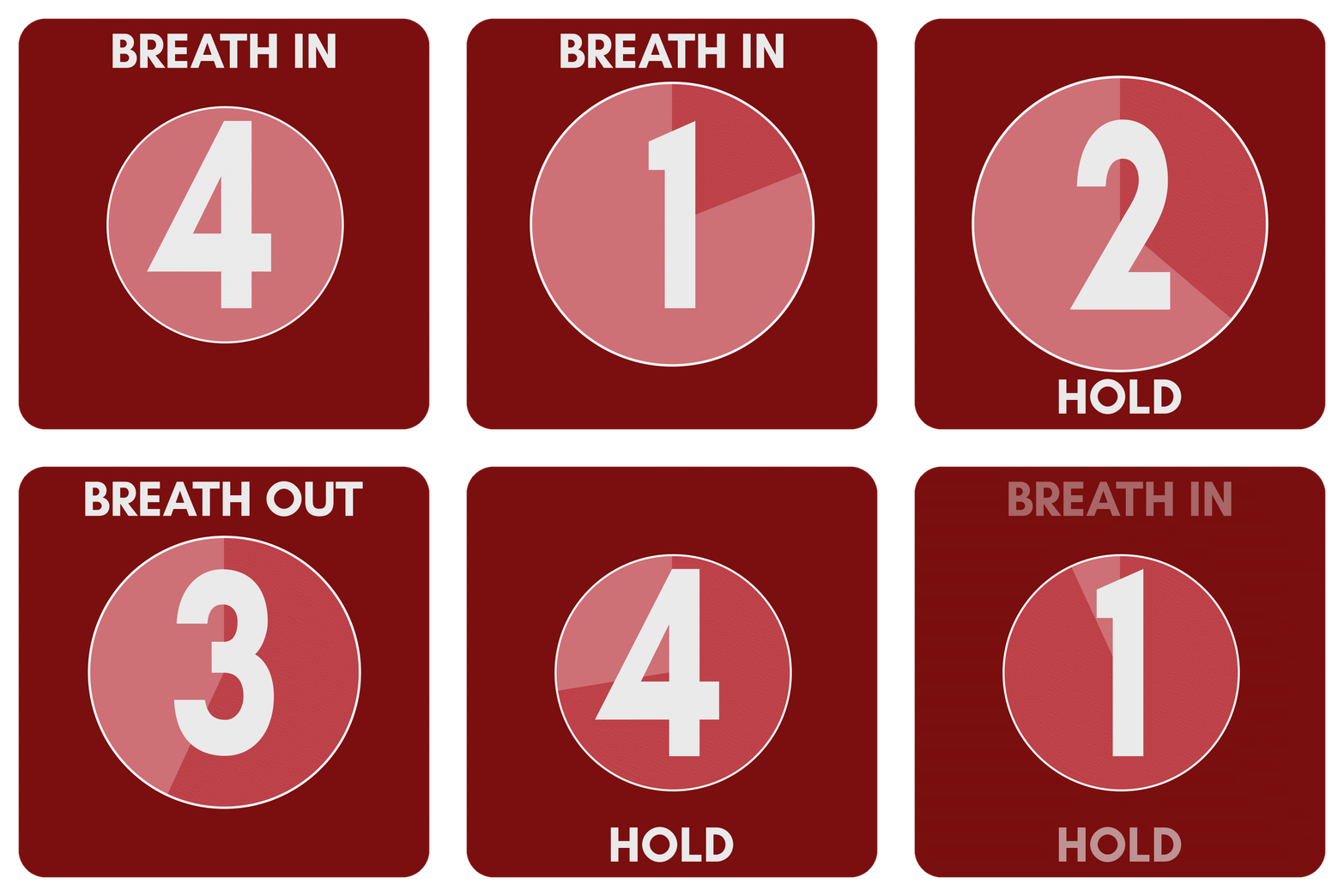
If a moment gets too big, remember to breath
Sometimes anxiety and grief don’t live only in our thoughts — they settle into the body. When emotions feel heavy or overwhelming, slow breathing can help your nervous system find a moment of calm. Gently focusing on your breath can signal to your body that it is safe to slow down, even if your mind is still processing everything that has happened. There is no right way to do this and no need to force anything. Simply breathing in slowly and fully, then breathing out just as gently, can help release tension and create a small pause in the intensity of the moment. Even a few steady breaths can make space for your body to soften and your emotions to feel a little more manageable.
Caring for Your Emotional & Physical Well-Being
Healing after adoption is supported by small, consistent acts of care. There is no right timeline, and you are not expected to feel better all at once. Gentle attention to your body and emotions can help rebuild steadiness over time.
Helpful ways to care for yourself may include:
- allowing yourself extra rest
- eating regular, nourishing meals
- spending time outdoors or in quiet spaces
- talking with someone you trust
- journaling or writing your thoughts without judgment
- practicing breathing or grounding exercises
- giving yourself permission to step back from expectations
- seeking professional counseling if you want additional support
Caring for yourself does not erase grief, but it creates space for healing. Each small act of kindness toward yourself is a step forward, even on days when progress feels invisible.

If you ever feel overwhelmed or need additional support, our team is here for you. You do not have to navigate this alone.